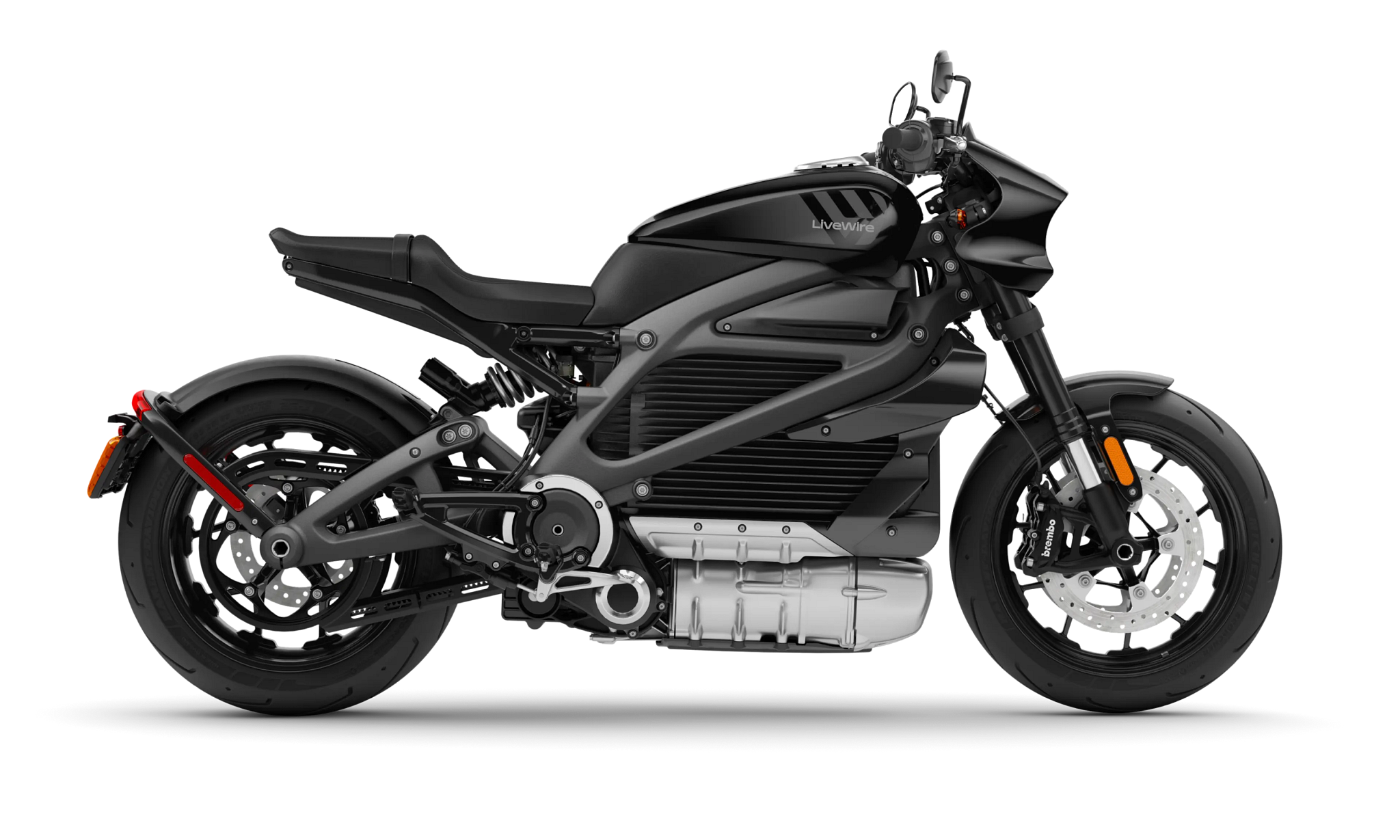
A proper Harley break-in helps the piston rings seat, the gears and bearings bed in, and new brakes and tires reach full performance. Whether you have just bought a new motorcycle or rebuilt your engine, the way you ride the first 1,000 miles can affect oil consumption, power and long-term reliability.
Always follow the break-in procedure in your owner manual or the instructions from your engine builder. The tips below explain the reasons behind the rules.
Why break-in matters
New engine parts have microscopic high spots. During break-in, these wear smoothly against each other. Piston rings in particular need varied cylinder pressure to seal against the cylinder walls. Good ring seal means better compression, more power and less oil burning.
The first 50 miles
- Ride gently and let the engine warm up fully before riding off.
- Keep engine speed moderate and vary it constantly.
- Avoid hard acceleration and full throttle.
- Be gentle on brakes, which also need time to bed in.
Up to 500 miles
- Vary your speed and RPM. Avoid holding one steady speed for long periods. Back roads are better than long interstate stretches.
- Do not lug the engine. Labouring in a high gear at low RPM puts heavy stress on new parts. Shift down instead.
- Avoid sustained high RPM and full-throttle runs.
- Avoid excessive idling and heavy stop-and-go traffic where the engine can build heat.
500 to 1,000 miles
You can gradually use more of the rev range and slightly firmer acceleration, while still varying speeds and avoiding long periods at full throttle. Keep an eye on oil level, as some consumption during break-in is normal.
The first service: do not skip it
The first service, usually around 1,000 miles, is one of the most important your bike will ever have. Fresh oil removes the fine metal particles produced during break-in. The service also covers checks of fasteners, cables, belt tension and other items that can settle as new parts bed in. Our Harley oil change guide explains the oil service in detail.
Breaking in new tires and brakes
New tires have a slippery surface coating, so lean the bike progressively and avoid hard braking for the first 100 miles or so. New brake pads need a series of moderate stops to transfer material to the rotor. See our Harley brake pads guide for the bedding process.
Break-in after an engine upgrade
New pistons, cylinders or big-bore kits need a careful break-in, often with specific instructions from the parts manufacturer or engine builder. Some builders recommend specific oil during break-in. A tune that matches your new parts is essential, because an engine running lean can overheat during this critical period.
Common break-in mistakes
- Riding hundreds of miles at one constant highway speed
- Lugging the engine in top gear at low RPM
- Letting the bike idle for long periods to warm up or show off
- Skipping or delaying the first service
Planning performance upgrades for later? Read about the Harley Stage 1 upgrade, browse our engine & performance parts, or talk to our team.