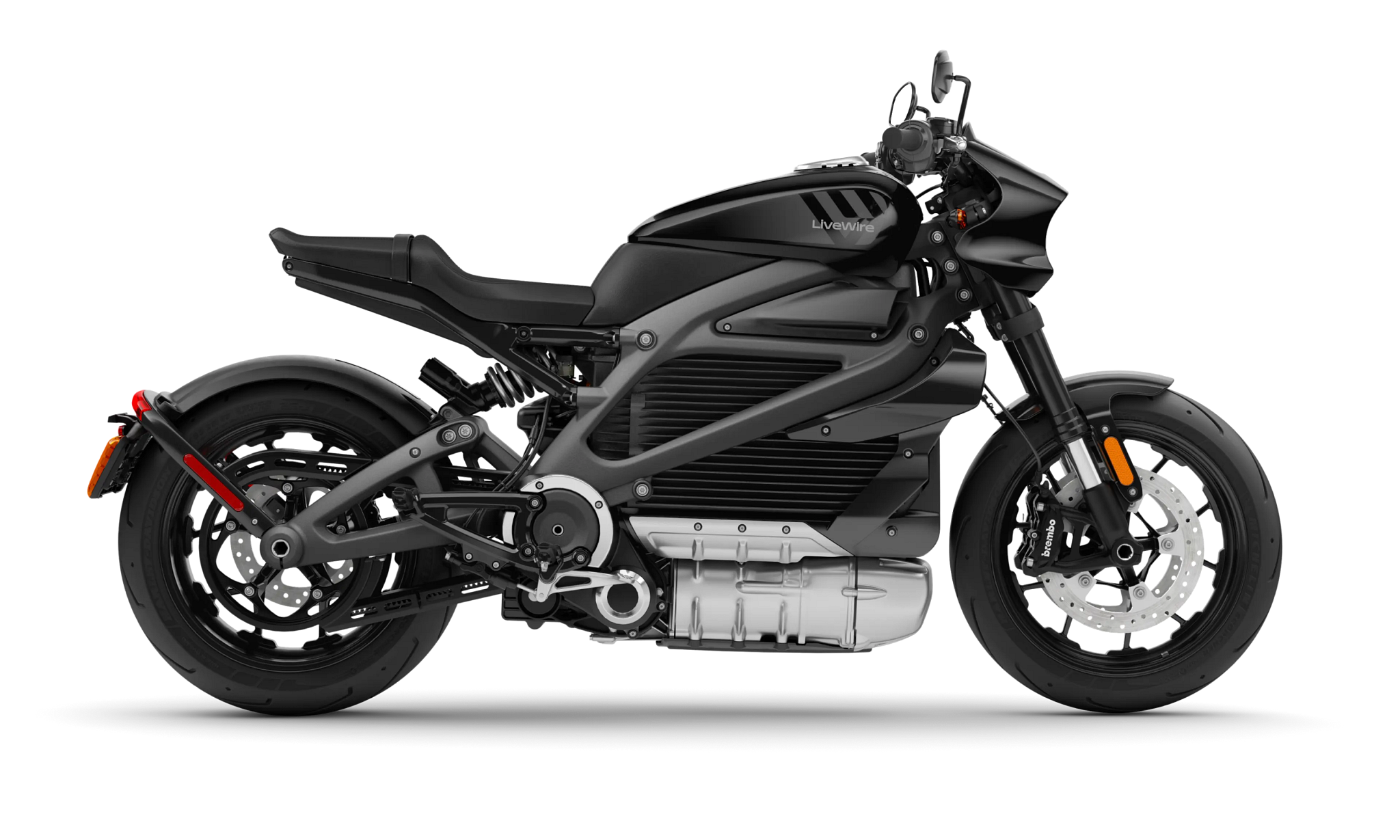
A weak Harley battery is the number-one reason a motorcycle will not start, especially after a few weeks parked. Modern Harley-Davidson models depend on stable voltage for fuel injection, security systems, ABS and infotainment, so a battery that is only slightly weak can cause strange electrical faults long before it fails completely.
How long does a motorcycle battery last?
Most motorcycle batteries last roughly three to five years. Heat, deep discharges, long storage without a maintainer and loose connections all shorten that life. A battery that is regularly ridden and kept on a maintainer during storage will usually last much longer than one that is left to go flat.
Testing the battery with a multimeter
A basic digital multimeter tells you most of what you need to know. Let the bike sit for a few hours with everything switched off, then measure across the terminals:
- About 12.7 volts or more: fully charged.
- Around 12.4 volts: partly discharged. Charge it.
- 12.0 volts or lower: deeply discharged. Charge it fully and test again.
Next, check the charging system. With the engine running at a fast idle, voltage should rise to roughly 13.5 to 14.5 volts. If it stays near battery voltage, the stator or regulator may be at fault rather than the battery.
Signs your battery is failing
- Slow or labored cranking, especially in cold weather
- Clicking from the starter relay with no crank
- Dim lights or a gauge that resets when you hit the starter
- A battery that will not hold charge overnight
- Swelling, cracks or corrosion on the case or terminals
Charging the right way
Use a smart charger or maintainer designed for motorcycle batteries. These monitor voltage and switch to a float mode once the battery is full, so they can stay connected for months. Many Harley-Davidson models can be fitted with a pigtail connector so you can plug in the maintainer without removing the seat. Avoid old-style chargers with high constant output, which can overcharge and damage a battery.
Lithium batteries require a charger that specifically supports lithium chemistry. Using the wrong charger can damage them.
Choosing a replacement battery
- AGM batteries are sealed, maintenance-free and the most common choice for Harley-Davidson motorcycles.
- Lithium batteries are much lighter and crank strongly, but cost more and can be less tolerant of extreme cold and incorrect charging.
Match the physical size, terminal layout and cold cranking amps (CCA) to your model. Touring bikes with lots of accessories benefit from extra capacity.
Installation tips
- Turn the ignition off and remove any security key fob from the area if your manual requires it.
- Disconnect the negative terminal first, then the positive.
- Clean the terminals and cable ends until they shine.
- Fit the new battery and connect positive first, then negative.
- Torque the terminal bolts to specification. Loose terminals cause many mystery electrical faults.
- Apply a thin layer of dielectric grease to protect against corrosion.
Prevention is cheaper than replacement
Ride regularly, keep a maintainer connected during storage and check terminal tightness at every service. If you are putting the bike away for the season, follow our Harley winter storage guide.
Find batteries, chargers and electrical parts in our electrical & lighting section, or ask our team which battery fits your bike.