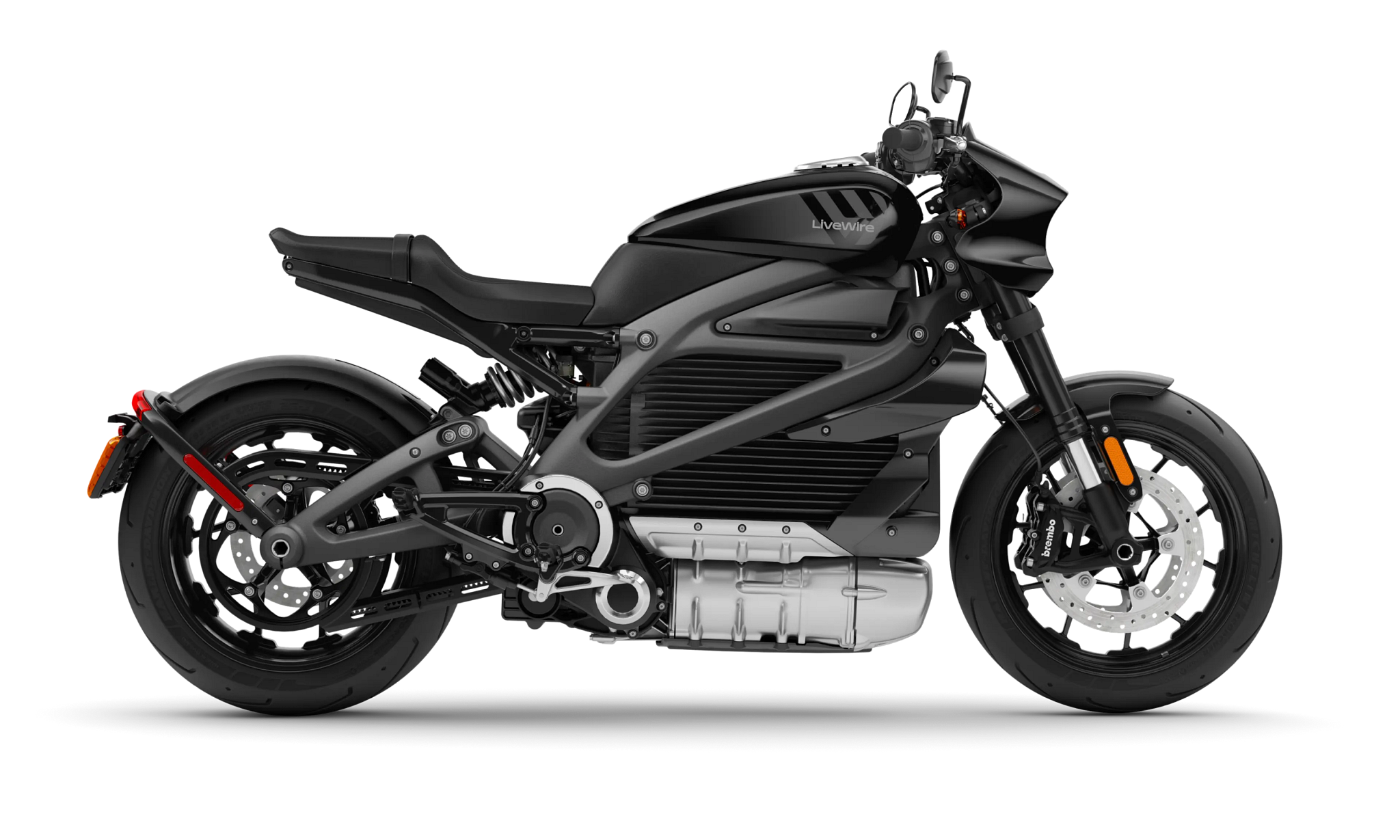
Your Harley tires are the only thing connecting a heavy motorcycle to the road, which makes them the most important safety part on the bike. Knowing when to replace them and how to choose the right set keeps you safe and makes the bike handle the way it should.
When should you replace your tires?
Tread depth
Most tires have tread wear indicators, small raised bars in the grooves. When the tread is level with them, the tire needs replacing. Many riders replace tires before reaching the legal minimum, especially for wet-weather riding.
Age
Rubber hardens over time even if the tread looks good. Many tire manufacturers recommend inspecting tires annually after about five years and replacing them by around ten years, regardless of wear. Hard, old rubber has less grip, especially in the wet.
Damage
Replace any tire with sidewall cuts, bulges, deep cracks or a repair close to the sidewall. Squared-off tread from highway riding also hurts handling and is a sign the tire is near the end of its life.
How to read a tire date code
Look for the DOT code on the sidewall. The last four digits show the week and year of manufacture. For example, 2324 means the 23rd week of 2024. Always check this when buying, because tires that have sat in storage for years are not a bargain.
Understanding tire sizes
A size such as 130/80B17 means:
- 130: tire width in millimeters
- 80: sidewall height as a percentage of the width
- B: bias-belted construction (R would mean radial)
- 17: wheel diameter in inches
Some older tires use alpha-numeric sizes such as MT90B16. Always fit the size and load rating specified for your model, and do not mix bias and radial tires unless the manufacturer approves it.
Tire pressure: check it cold
Check pressure before you ride, when the tires are cold. The correct figures are in your owner manual and often on a label on the frame. Heavy Touring bikes with a passenger and luggage usually need higher pressure. Under-inflation is the most common cause of poor handling, fast wear and overheating.
Choosing the right tire
- Touring tires use harder compounds and strong construction for long life and stability under heavy loads.
- Cruiser tires balance grip, comfort and classic looks.
- Performance cruiser tires offer more grip for riders who enjoy cornering.
- Whitewall and wide whitewall options give a vintage style.
Replace tires in matched pairs where possible, since a new tire paired with a worn one can upset handling.
After fitting new tires
New tires have a slippery release agent on the surface. Ride gently for the first 100 miles or so, avoid hard braking and aggressive lean angles, and gradually scrub them in. Make sure the wheels have been balanced and the axle nuts torqued correctly.
Tire checks are the first item on our motorcycle pre-ride checklist. Shop tires and wheels in our wheels & tires section or ask our team which size fits your model.